Dear Visitors,
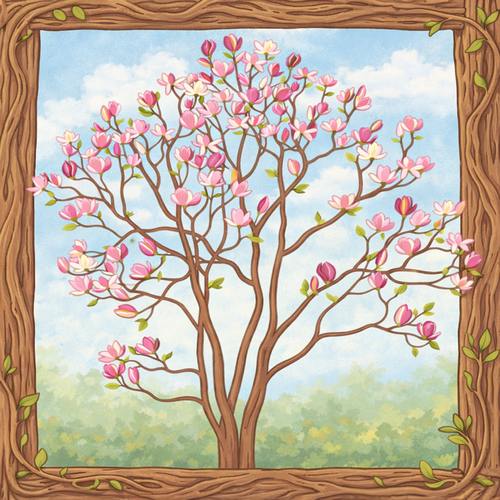
We are pleased to introduce one of the most spectacular ornamental plants of spring in our garden — the magnolia, also known as the lily tree.
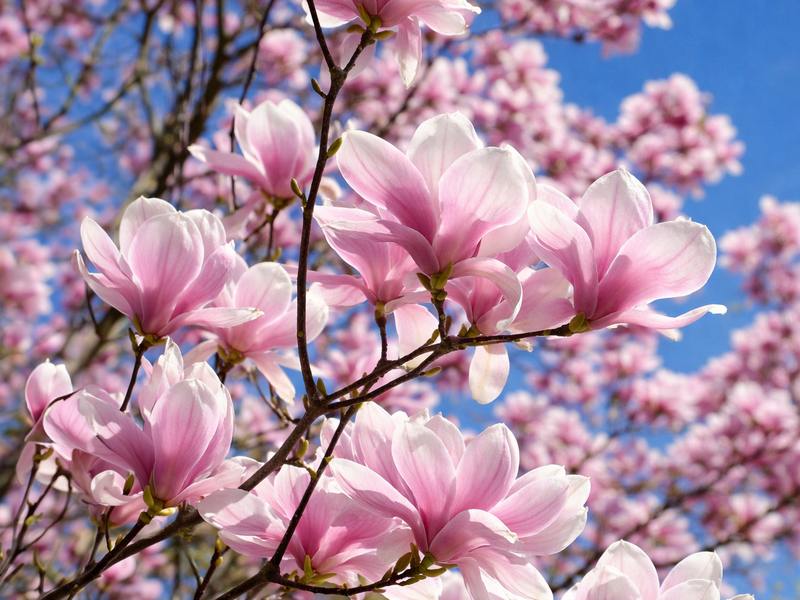
While the garden is still awakening after winter, the magnolia is already in full bloom. Its large, elegant flowers seem to float on the branches, often appearing even before the leaves. This special phenomenon makes the magnolia one of the most defining and beautiful sights of spring.
Interestingly, in Hungary it is often mistakenly called a tulip tree. However, the true tulip tree is a different plant — if you look for it in the garden, you will easily notice the difference.

![]()
Main Characteristics
- Latin name: Magnolia
- Family: Magnoliaceae
- Type: Tree or large shrub
- Size: 2–10 meters
- Lifespan: Long-lived, can decorate the garden for decades
Leaves
- arge, simple leaves
- Bright green color
- Can be:
- Deciduous (e.g. Magnolia × soulangeana)
- Evergreen (e.g. Magnolia grandiflora)
The Special Beauty of the Flower
Magnolia flowers are truly eye-catching:
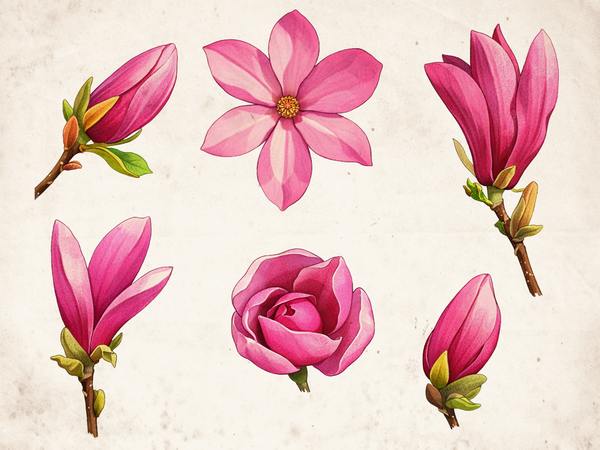
- Large, cup-shaped flowers
- Colors: white, pink, purple or yellow
- Often bloom before leaves appear
- Delicately fragrant
- Mainly pollinated by beetles — another sign of their ancient origin
During flowering, the magnolia creates an almost sculptural presence in the garden.
Fruit
After flowering, unusual fruits appear:
- Cone-like fruits
- Bright red seeds appear when ripe
- The seeds visibly emerge from the fruit
This also gives the plant ornamental value in autumn.
Origin
Magnolias are ancient plants:
- East Asia (China, Japan)
- North America
- Existed for millions of years
Magnolias already existed in the age of dinosaurs, making them living botanical history.
Garden Requirements
Magnolias grow best when:
- Planted in sunny or semi-shaded locations
- Planted in nutrient-rich, well-drained soil
- Watered regularly when young
- Planted in sheltered, calm locations
Under good conditions, magnolias remain one of the garden’s most beautiful plants for decades.
Interesting Fact
Magnolia is one of the oldest flowering plants.
It was named after Pierre Magnol, a French botanist who contributed significantly to plant classification.
The magnolia symbolizes the elegance of spring
Its flowers convey both strength and delicacy while announcing nature’s renewal.
Pause for a moment and admire the quiet beauty of the blossoms.
Perhaps this peaceful moment will become the most memorable part of your garden walk.
![]()
The magnolia is not just an ornamental plant —
it is one of spring’s most beautiful messages.