Dear Visitor,
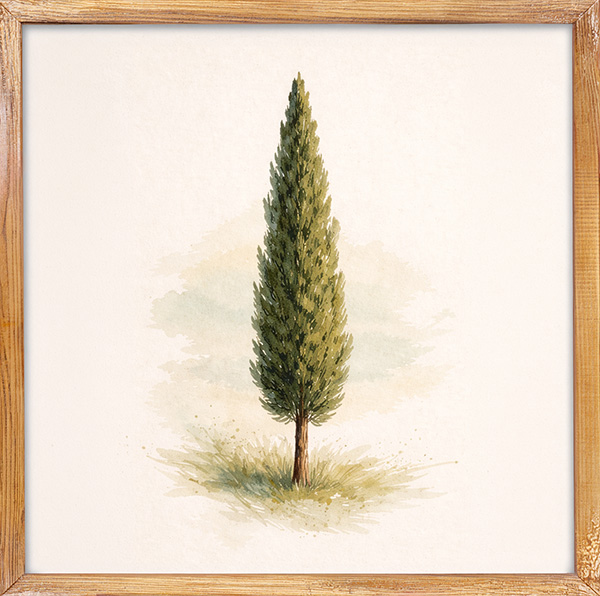
We warmly present one of the most well-known Mediterranean ornamental trees: the Italian Cypress, often also called the Tuscan cypress.
This remarkable plant originates from the Mediterranean region and has become a defining element of the landscape, especially in Tuscany. Its slender, sky-reaching shape makes it easily recognizable from afar and gives gardens and parks a distinctive atmosphere.
Due to its elegance and timeless form, the Italian Cypress remains one of the most recognizable symbols of Mediterranean landscapes.

![]()
Appearance and Characteristics
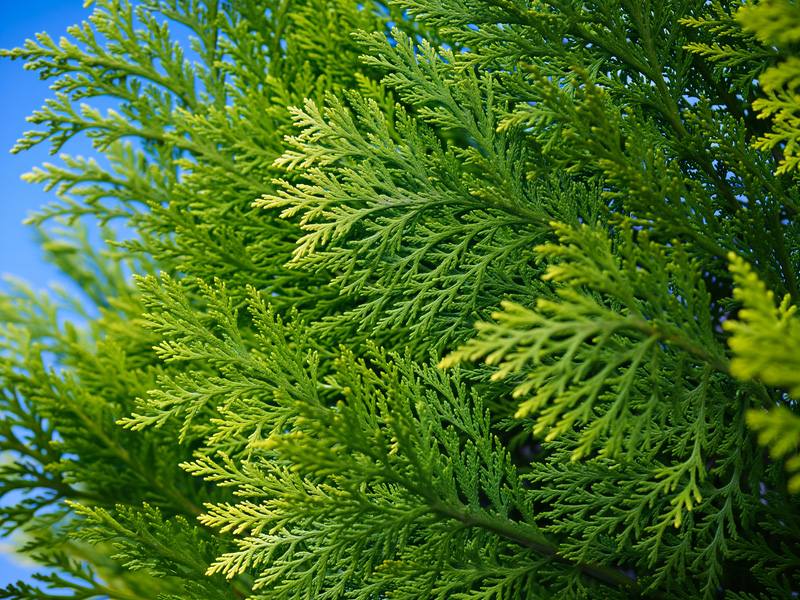
The Italian Cypress is an evergreen conifer that retains its dark green foliage throughout the year.
- Height: up to 20–30 meters
- Narrow, columnar shape requiring little space
- Dense foliage with scale-like leaves
- Deep dark green color all year round
- Small, round cones
Its slender, vertical growth adds a special rhythm to gardens, which is why it is often planted in rows or as a focal point.
Habitat and Requirements
The Italian Cypress prefers sunny, warm environments and adapts well to drier conditions.
- Light requirement: full sun
- Soil: well-drained soil, including calcareous soils
- Drought tolerance: excellent
- Frost tolerance: moderate
In our climate, it thrives best in sunny, sheltered locations, especially in south-facing gardens.
Cultural Significance
For centuries, the cypress has symbolized eternity and immortality.
It is often planted in cemeteries, historic gardens, and along roads and estates.
In Mediterranean landscapes, rows of cypress trees have become a natural part of the scenery and remain symbols of calmness and timelessness.
Did You Know?
The word “sempervirens” in the Latin name means “evergreen” — perfectly reflecting one of the cypress’s most characteristic features.
The slender shape and evergreen foliage of the cypress evoke calmness and timelessness.
Just like in Mediterranean landscapes, it creates a special atmosphere here in the garden — a small piece of southern landscapes.
Continue your walk and discover the next special plant in the garden.